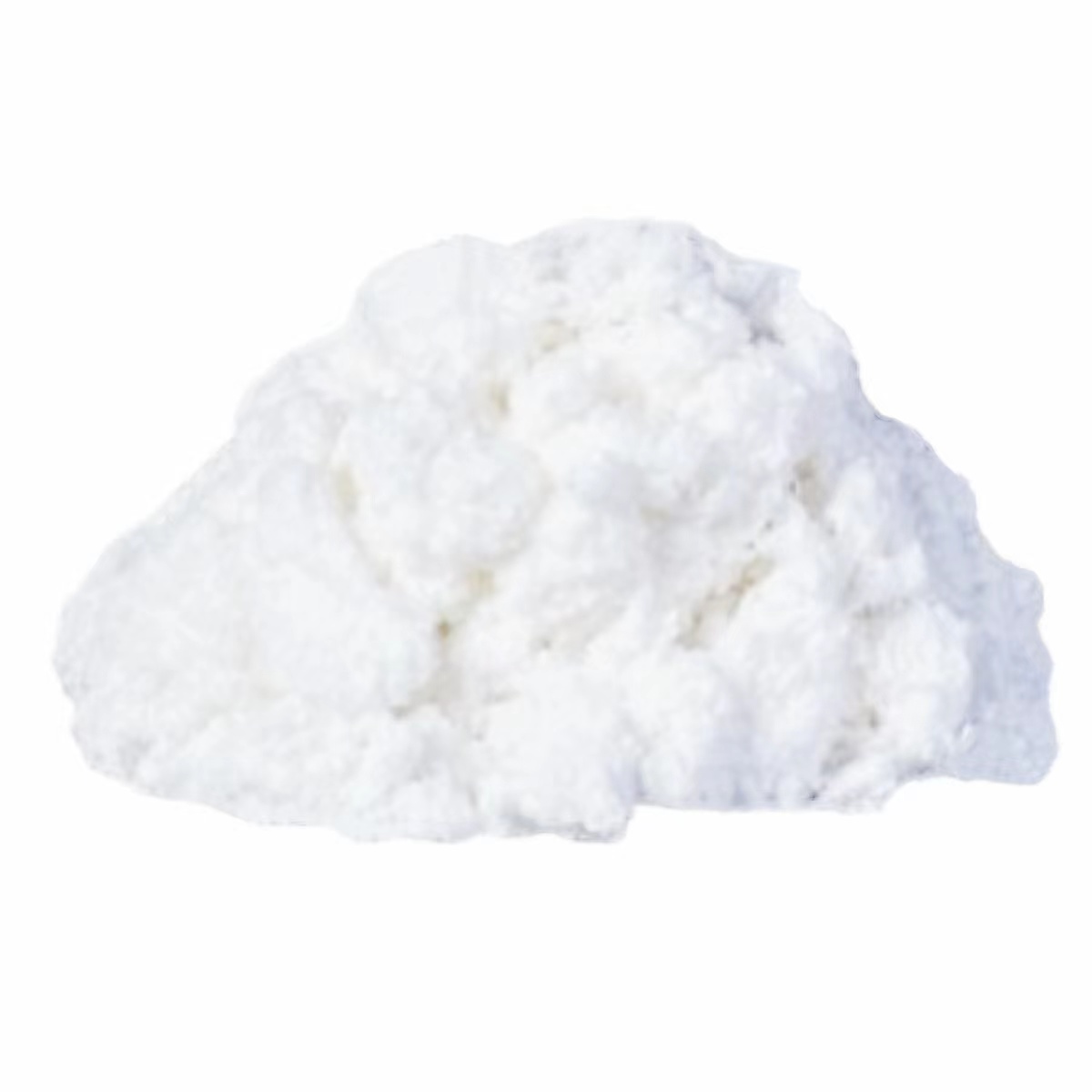
**Cotton Linter Pulp: A Sustainable and Versatile Material Transforming Multiple Industries**Cotton linter pulp, a unique cellulose derivative obtained from the short fibers remaining on cotton seeds after ginning, is gaining increasing recognition for its sustainability, versatility, and wide-ranging applications. As industries worldwide pivot towards eco-friendly and renewable materials, cotton linter pulp stands out as a promising resource that bridges the gap between traditional pulp sources and innovative industrial needs.### What is Cotton Linter Pulp?Cotton linter pulp is produced by processing the fine fibers left on cotton seeds after the longer staple cotton fibers are separated during the cotton ginning process. These short fibers, often considered a by-product or waste, are refined through chemical and mechanical treatments to yield high-purity cellulose pulp. Renowned for its high alpha-cellulose content, low ash, and brightness, cotton linter pulp offers superior qualities compared to wood pulp and other non-wood cellulose sources.### Growing Demand and ApplicationsThe surge in demand for sustainable and biodegradable materials has positioned cotton linter pulp as an ideal raw material in various industries:- **Paper Products**: Used in specialty papers such as banknotes, cigarette papers, filter papers, and security papers, owing to its strength, purity, and uniformity.- **Textiles**: Serves as a base material for producing regenerated cellulose fibers like viscose, lyocell, and cellulose acetate, which are prominent in fashion and industrial textiles.- **Pharmaceuticals and Cosmetics**: Its high purity and biodegradability make it suitable for medical-grade materials and hygiene products such as tampons, diapers, and wipes.- **Food Packaging**: With rising environmental concerns, cotton linter pulp contributes to bio-based packaging solutions replacing plastics.- **Nanocellulose Production**: Recent advancements enable cotton linter pulp to be processed into cellulose nanofibers for cutting-edge applications including electronics, composites, and biomedical devices.### Sustainability and Environmental BenefitsCotton linter pulp epitomizes circular economy principles by valorizing what was once an agricultural residue. The use of cotton linter reduces dependency on wood-based pulp, aiding in forest conservation. Additionally, its biodegradability ensures minimal environmental footprint compared to synthetic polymers. Its production can also be integrated with existing cotton processing infrastructure, promoting local economies and reducing transportation emissions.### Leading Enterprises Driving InnovationSeveral enterprises at the forefront of the pulp and fiber industry are championing the development and commercialization of cotton linter pulp. They combine decades of expertise in papermaking, chemical processing, and fiber technology to offer high-quality cotton linter pulp products adapted to client specifications and market demands.One such company is a global leader with a diversified portfolio in cellulose-based products. Their strong commitment to sustainability and innovation leverages cutting-edge technologies to enhance pulp purity, yield, and performance. With robust supply chains and strategic partnerships worldwide, the company ensures reliable delivery of cotton linter pulp to sectors ranging from textiles to pharmaceuticals.Their R&D initiatives also explore novel applications such as eco-friendly automotive interiors, biodegradable packaging films, and advanced filtration materials. By integrating digital manufacturing and customized sourcing, they cater effectively to the evolving landscape of sustainable materials.### Challenges and Future OutlookDespite its many advantages, cotton linter pulp production faces challenges such as fluctuating cotton harvests, processing costs, and competition from other cellulose sources like wood and bamboo. However, ongoing technological advances in extraction and purification methods, coupled with increasing regulatory support for green materials, are expected to bolster the cotton linter pulp market.The market outlook remains positive as consumer awareness about sustainability rises, driven by both regulatory mandates and voluntary corporate commitments to reduce carbon footprint. Innovative applications in emerging sectors like biodegradable electronics, water purification, and medical devices further widen the growth potential.### ConclusionCotton linter pulp represents a compelling blend of sustainability, performance, and versatility. By transforming agricultural residues into valuable cellulose pulp, it supports environmental stewardship while meeting the stringent quality demands of modern industries. As companies continue to innovate and expand the material’s applications, cotton linter pulp is set to play a pivotal role in the global shift towards renewable and biodegradable resources.The future of cotton linter pulp is bright, underscoring the importance of collaborative efforts across agriculture, manufacturing, and scientific research to unlock its full potential for a greener and more sustainable world.
Read More